Propane Tankless Water Heaters: Hill Country Guide
Beyond Austin's gas mains, propane tankless is king. Sizing, regulators, costs, and the cold-snap problems unique to propane — explained.
Where propane tankless rules
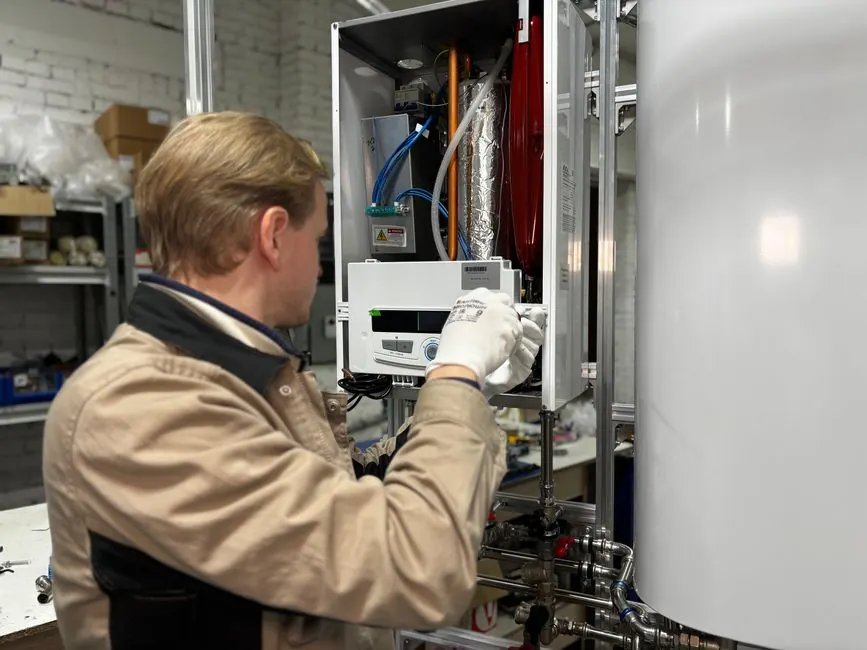
Spicewood, Dripping Springs, Jonestown, and much of the Hill Country sit beyond Austin's natural gas mains. Out here, the choice isn't gas versus electric — it's propane tankless versus electric tank, and propane wins on operating cost and performance for most households. A propane tankless delivers the same endless hot water as its natural-gas twin, with only the fuel supply differing.
Sizing your propane supply correctly
This is where propane installs go wrong. A tankless unit firing at 199,000 BTU can starve if the propane tank is too small or the regulator can't keep up — the classic symptom is ignition failure codes on cold mornings when the furnace is also running. We size the propane tank and regulator to the home's total BTU load, not just the water heater, and we verify gas pressure under full demand before we sign off.
What propane tankless costs in the Hill Country
The unit and installation run about the same as natural gas: $3,800 to $6,000 for a tank-to-tankless conversion. The variables are the propane tank itself (a leased 250-gallon tank is common; purchased tanks run $1,500-$2,500) and the gas line run from tank to house. Propane fuel costs more per BTU than natural gas, but a high-efficiency condensing unit (0.95+ UEF) keeps operating costs reasonable.
Cold-snap problems (and fixes)
Propane regulators can freeze in hard cold snaps, and an undersized tank loses pressure as it empties in cold weather — both cause ignition lockouts exactly when you need hot water most. Fixes: a properly sized two-stage regulator, keeping the tank above 20% in winter, and in exposed locations, a regulator cover. If your unit throws ignition codes every January, the fuel system — not the heater — is the prime suspect.
Maintenance is the same — plus fuel checks
Annual descaling matters just as much on propane (Hill Country well water is brutal), plus yearly burner inspection for soot that signals pressure problems, and regulator and line checks each fall. Our maintenance visits cover the full fuel-to-flue path, so small issues get caught before they become cold-shower emergencies.
Serving Your Neighborhood
We provide this service across the Austin metro, including Spicewood, Dripping Springs, Jonestown. See all service areas.
Frequently Asked Questions
Can you convert a natural gas tankless to propane?
How long does a propane tank last with a tankless water heater?
Is propane or electric cheaper for water heating in the Hill Country?
Do propane tankless heaters work during power outages?
Need Help With Your Water Heater?
Same-day service across Austin & Travis County — call now.
Call +1 (877) 350-8116